
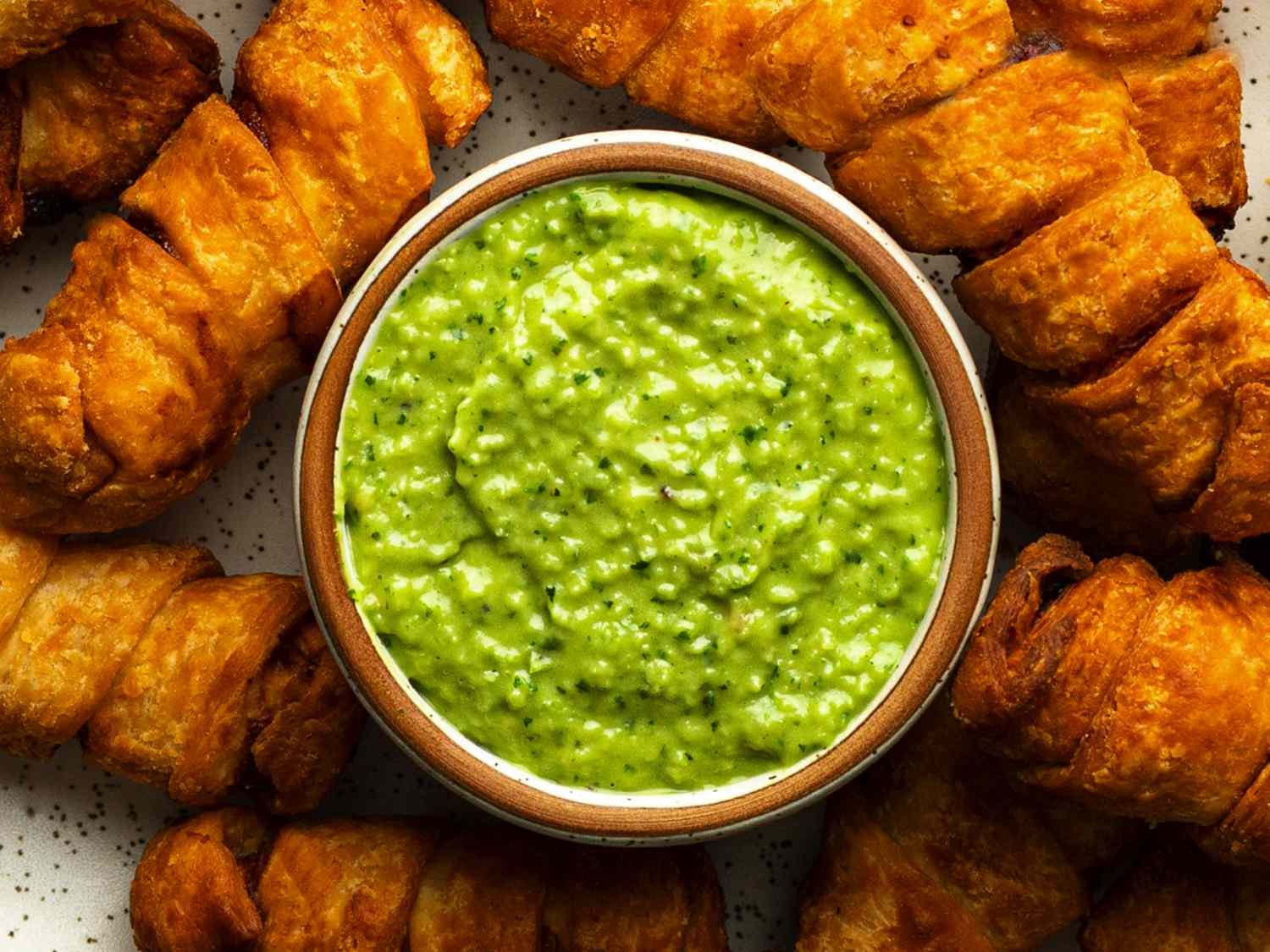
I’ll never forget my first taste of real guasacaca at a small Venezuelan gathering in Miami. Someone passed me a squeeze bottle of this vibrant green sauce, and I drizzled it over a warm arepa. One bite and I was hooked—the creamy avocado met sharp vinegar and fresh herbs in a way that felt lighter and more alive than any guacamole I’d known. Guasacaca, also called Venezuelan avocado salsa or wasakaka, brings bright tang and herbal punch to grilled meats, empanadas, and everyday snacks. If you’re searching for an authentic guasacaca recipe that delivers that perfect balance of creamy and zesty, this guide has you covered from history to your table.
What Is Guasacaca Exactly?
Guasacaca is a versatile Venezuelan avocado-based sauce or salsa known for its smooth yet pourable texture and bold, tangy flavor. Unlike thicker dips, it often blends into a creamy consistency with plenty of fresh herbs, green bell pepper, onion, garlic, vinegar, and lime. The result is something you can drizzle, dip, or spoon generously without it overwhelming the dish. It shines as a condiment for Venezuelan classics like arepas, grilled meats, or tequeños, but it adapts easily to tacos and bowls too.
My First Real Encounter with Authentic Guasacaca
Back when I lived near a vibrant Latino neighborhood, a friend’s grandmother invited me over for Sunday asado. She handed me a jar of her homemade guasacaca and warned me not to skimp on it. I laughed at first, thinking it was just fancy guacamole, but the bright vinegar kick and generous cilantro hit differently. That afternoon I watched her blend it fresh while telling stories from Caracas. Ever since, making guasacaca feels like bringing a little piece of that warmth into my own kitchen, even on busy weeknights.
The Origins and Cultural Roots of Guasacaca
Guasacaca traces its roots deep in Venezuelan cuisine, with possible Afro-Venezuelan influences and indigenous echoes in the name. Some link the word to Quechua or African terms for similar sauces, and it first appeared in Venezuelan literature around the early 20th century. It serves as Venezuela’s answer to chimichurri or guacamole—essential at barbecues and family meals. While exact origins stay a bit mysterious, every region adds its touch, making it a living part of the country’s flavorful identity.
How Guasacaca Differs from Guacamole
Many people wonder about guasacaca versus guacamole, and the differences matter for flavor and use. Guasacaca leans tangier thanks to vinegar and loads of parsley alongside cilantro, while guacamole stays milder with more lime and a chunkier mash. Guasacaca often includes green bell pepper for earthiness and blends smoother, making it easier to drizzle. Guacamole feels richer and scoopable as a dip. Both celebrate avocado, but guasacaca brings brighter, herb-forward energy perfect for drizzling over hot food.
Choosing the Right Avocados for Guasacaca
Ripe but not overripe Haas avocados give the creamiest base without turning brown too quickly. Look for ones that yield gently to pressure with dark, bumpy skin. Avoid rock-hard or mushy fruit—perfect ripeness ensures smooth blending without watery results. If avocados ripen too fast, stash them in the fridge once ready. A couple of good ones go far in this recipe since herbs and liquids stretch the volume nicely.
Essential Ingredients for Classic Venezuelan Guasacaca
Gather fresh, high-quality items for the best flavor. This list yields about 2–3 cups, enough for a crowd or several meals.
- 2–3 ripe Haas avocados, pitted and roughly chopped
- 1 small onion or shallot, quartered
- 1 small green bell pepper, seeded and chopped
- 1–2 jalapeños or a milder pepper (optional for heat)
- 2–3 garlic cloves
- ½–1 cup fresh cilantro leaves, packed
- ¼–½ cup fresh parsley leaves, packed
- ¼ cup white vinegar or rice vinegar
- 2–3 tablespoons fresh lime or lemon juice
- ⅓ cup neutral oil or olive oil (some recipes use water for lighter version)
- Salt and black pepper to taste
These create the signature bright green color and balanced tang.
The Role of Vinegar and Herbs in Building Flavor
White vinegar delivers the sharp, clean acidity that sets guasacaca apart and helps preserve freshness. Fresh cilantro and parsley bring vibrant herbal notes—don’t skimp here, as they define the sauce’s lively character. The combination cuts through richness in grilled meats while keeping the avocado from feeling heavy. Adjust the vinegar-to-lime ratio to suit your taste; some families prefer more vinegar for extra punch.
Step-by-Step Guide to Making Authentic Guasacaca
Start by adding avocados, onion, green pepper, garlic, herbs, vinegar, lime juice, and seasonings to a food processor or blender. Pulse until mostly smooth, then drizzle in oil while blending for a silky emulsion. Taste and tweak salt, acid, or heat. For chunkier style, mash by hand or pulse less. The whole process takes under 10 minutes once ingredients are prepped. Serve immediately for brightest color and flavor.
Common Mistakes to Avoid When Preparing Guasacaca
Using underripe avocados leads to lumpy texture and bland taste, while over-blending can make it too thin. Adding too much onion creates bitterness, so start small and adjust. Skipping the acid lets the avocado brown faster and dulls the zing. Always use fresh herbs—dried versions fall flat. Taste as you go because every batch of produce varies slightly.
Variations to Customize Your Guasacaca Avocado Salsa
Some families add a splash of Worcestershire for umami or a touch of tomato for subtle sweetness. Make it milder by skipping jalapeño or using only bell pepper. For a lighter, oil-free version, substitute water and increase lime. Chunky style works great as a relish, while smoother blends pour beautifully from a bottle. Experiment with orange juice in place of lime for a sweeter twist popular in some regions.
Guasacaca as a Sauce Versus a Dip – Texture Matters
Traditional Venezuelan guasacaca often lands between sauce and dip—thick enough to cling but loose enough to drizzle. Blending fully with oil creates an emulsified, pourable consistency ideal for meats. Leaving it slightly chunky suits scooping with chips or arepas. Both styles taste fantastic; the choice depends on how you plan to serve it that day.
Pros and Cons of Making Guasacaca at Home
Pros:
- Quick to prepare with fresh ingredients
- Bright flavor elevates simple grilled foods
- Versatile for many cuisines beyond Venezuelan
- Healthier than many creamy sauces with good fats from avocado
- Customizable heat and tang levels
Cons:
- Best enjoyed fresh—browns over time
- Requires ripe avocados, which can be unpredictable
- Vinegar-forward taste may not appeal to everyone first try
- Herbs wilt if stored too long
The fresh payoff usually wins out for home cooks.
How Guasacaca Compares to Other Avocado Sauces
| Aspect | Guasacaca (Venezuelan) | Guacamole (Mexican) | Other Avocado Salsas |
|---|---|---|---|
| Texture | Smooth to slightly chunky, pourable | Chunky mash | Varies, often thinner |
| Acidity | Vinegar + lime, very tangy | Mostly lime | Lime or citrus dominant |
| Herbs | Heavy cilantro + parsley | Light cilantro | Varies by region |
| Key Add-ins | Green bell pepper, garlic | Tomato, onion, jalapeño | May include crema or spices |
| Best Uses | Drizzle on arepas, grilled meats | Dip with chips, tacos | Toppings or sides |
Guasacaca stands out for its herbal brightness and versatility as a condiment.
Best Tools and Equipment for Perfect Results
A food processor or high-speed blender creates the smoothest emulsion quickly. An immersion blender works well for smaller batches directly in a tall container. Sharp knife and cutting board handle prep efficiently. For chunky style, a mortar and pestle or fork gives rustic texture. Squeeze bottles make serving fun and mess-free at parties.
Where to Find Ingredients for Guasacaca
Fresh avocados, cilantro, parsley, and peppers are available at most grocery stores or Latin markets. Look for Haas avocados in the produce section and fresh herbs near leafy greens. White vinegar sits in the condiment aisle, while good olive or neutral oil is pantry staple. Online retailers deliver specialty items if local options run short. Supporting local farmers for herbs adds extra freshness.
Creative Ways to Serve Guasacaca
Drizzle generously over grilled steak, chicken, or fish for instant flavor boost. Spoon it onto warm arepas or empanadas as the classic pairing. Use as a topping for tacos, burrito bowls, or even hot dogs for a Venezuelan twist. Serve alongside tequeños or plantain chips for dipping. It brightens salads and roasted vegetables too. A little goes a long way, so start light and add more.
Storage Tips to Keep Guasacaca Fresh Longer
Store in an airtight container in the refrigerator for 2–4 days max. Press plastic wrap directly on the surface to limit air exposure and slow browning. Stir in a splash of fresh lime before serving to revive color and taste. Freezing isn’t ideal because texture suffers, but small portions can work in a pinch. Make only what you’ll use soon for the brightest experience.
People Also Ask About Guasacaca Avocado Salsa
Is guasacaca the same as guacamole?
No—guasacaca is tangier with more herbs, vinegar, and green pepper, while guacamole stays milder and chunkier.
How long does homemade guasacaca last?
It stays fresh in the fridge for 2–4 days when stored properly with plastic wrap pressed on top.
Can you make guasacaca without avocado?
Traditional versions include avocado for creaminess, though some older relish-style recipes omit it for a lighter herb sauce.
What does guasacaca taste like?
Bright, tangy, and herbal with creamy avocado undertones—think guacamole meets chimichurri with a vinegar kick.
Is guasacaca spicy?
It can be, depending on added jalapeño or hot sauce, but many versions stay mild thanks to bell pepper.
FAQ: Common Questions About Venezuelan Guasacaca
Can I use different vinegar in guasacaca?
Yes—white or rice vinegar works best, but apple cider or red wine vinegar can substitute in a pinch for slightly different notes.
Why does my guasacaca turn brown so fast?
Exposure to air causes oxidation; press plastic wrap on the surface and use fresh acid to help slow it down.
Is guasacaca healthy?
It offers healthy fats from avocado plus vitamins from fresh herbs and peppers, making a nutritious condiment when enjoyed in moderation.
Can kids enjoy guasacaca?
Absolutely—tone down the heat by skipping jalapeños, and the tangy flavor often appeals to little ones on arepas or mild foods.
What’s the best oil for guasacaca?
Neutral oils like corn or avocado keep flavors clean, though olive oil adds nice depth in some recipes.
Guasacaca brings lively Venezuelan spirit to your table with minimal effort and maximum flavor. Once you try this avocado salsa, it might just replace guacamole at your next gathering. Whip up a batch this weekend, experiment with your favorite tweaks, and enjoy the fresh, zesty magic. Your grilled meats and arepas will thank you. (Word count: approximately 2,750)

Leave a Reply