
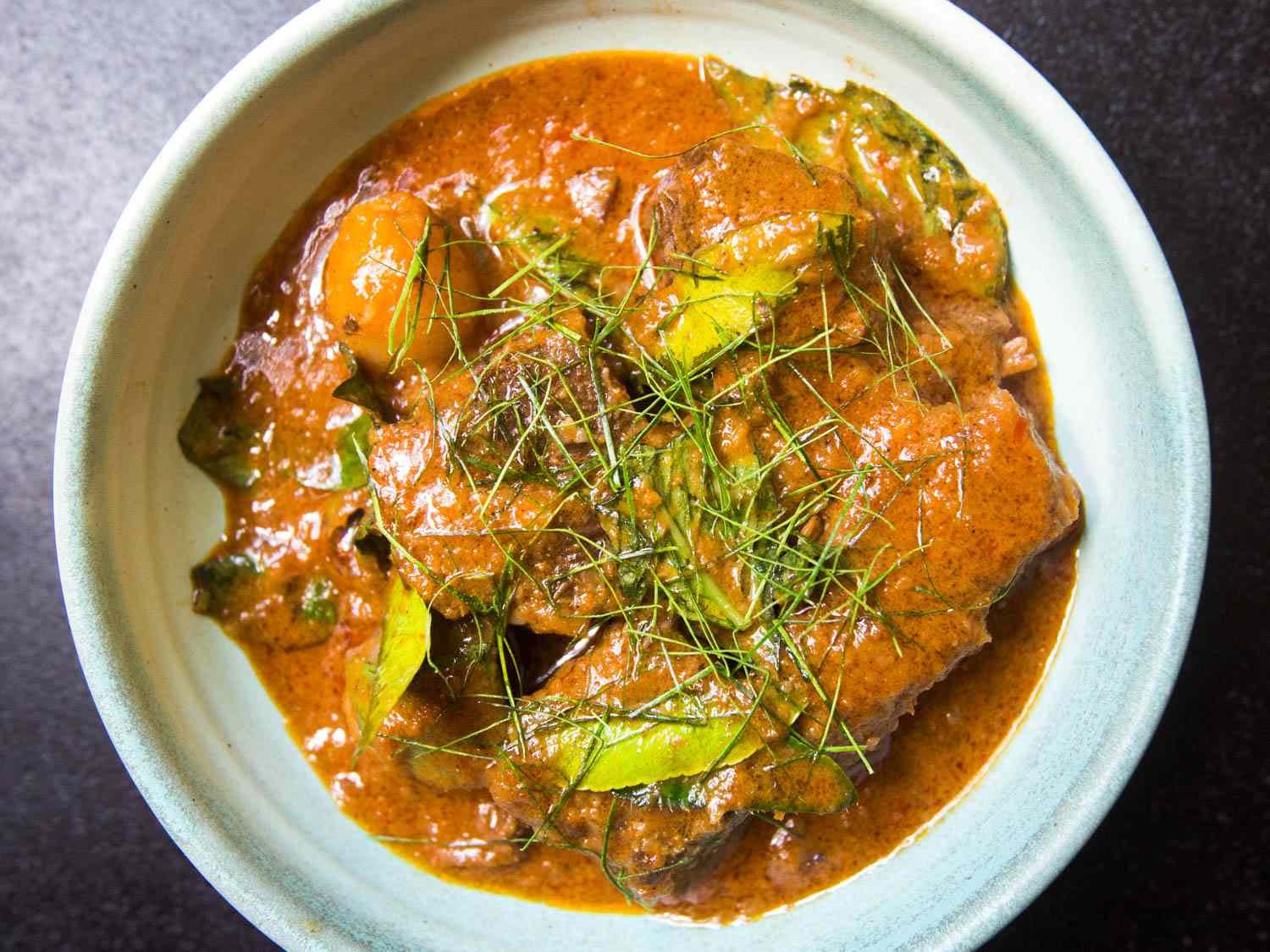
I still remember the first time I tasted authentic Panang Neua in a small family-run spot tucked away in Bangkok’s back streets. The sauce clung thickly to tender strips of beef, with that unmistakable nutty sweetness and bright lift from makrut lime leaves. One bite and I was hooked—no watery broth, just pure, concentrated flavor that made me forget every milder curry I’d tried before. Years later, recreating it in my own kitchen (sometimes with ingredients scavenged from Lahore markets) taught me the real magic: patience with the paste, quality coconut milk, and slicing the beef paper-thin against the grain. This Panang beef curry recipe delivers that restaurant-worthy richness at home, whether you go fully traditional or opt for quicker weeknight shortcuts.
What Is Panang Neua? Understanding Thai Panang Beef Curry
Panang Neua, or Thai Panang beef curry, stands out among Thai curries for its thick, velvety sauce and balanced profile of spicy, sweet, salty, and nutty notes. Unlike soupy red or green curries, Panang cooks down until the coconut oil separates and the sauce coats the meat luxuriously. The name “Panang” (also spelled Phanaeng) likely draws from historical ties to Malaysia’s Penang island or an old Khmer term for cross-legged sitting, but the dish itself roots firmly in central and southern Thai cuisine. It features beef as the star protein, though chicken or pork work well too.
The Rich History and Origins of Panang Curry
References to Panang-style dishes appear in Thai cookbooks as early as the late 1800s, during the Rattanakosin era. It evolved from red curry pastes but gained distinction through added roasted peanuts or peanut elements, creating deeper body and a subtle sweetness. Influences from Indian and Malay trade routes brought warm spices like cumin and coriander, while Thai aromatics—lemongrass, galangal, makrut lime—kept it unmistakably local. In Thailand, Panang often appears milder than green curry but packs more intensity than massaman, making it a versatile favorite across regions.
Why Panang Neua Differs from Other Thai Curries
Panang Neua shines because of its drier, saucy consistency and the signature peanut undertone in the paste. Red curry tends to be more liquid and herbal, green brings fresh chili heat, and massaman leans sweeter with whole spices. Panang strikes a perfect middle ground: rich from reduced coconut cream, fragrant from kaffir lime, and satisfyingly thick so every bite coats the rice beautifully. The beef version feels especially hearty, standing up to bolder flavors without overwhelming.
Key Ingredients for Authentic Panang Beef Curry
Success starts with the right building blocks. Use full-fat coconut milk (not light versions) that separates into cream and water. Good Panang curry paste is non-negotiable—look for brands with visible herbs and shrimp paste for umami. Thinly sliced beef, palm sugar, fish sauce, and fresh makrut lime leaves complete the core. Peanuts or peanut butter add that classic nuttiness in many versions.
Comparison: Panang Neua vs Other Popular Thai Beef Curries
| Curry Type | Sauce Consistency | Spice Level | Key Flavor Notes | Best Protein | Cooking Time |
|---|---|---|---|---|---|
| Panang Neua | Thick & saucy | Medium | Nutty, sweet-salty, lime-bright | Beef | 20-40 min |
| Red Beef Curry | Brothy | Medium-Hot | Herbal, chili-forward | Beef/Chicken | 15-30 min |
| Massaman Beef | Thick & creamy | Mild-Medium | Sweet, aromatic spices | Beef | 1-2 hours |
| Green Beef Curry | Soupy | Hot | Fresh herbs, grassy | Beef | 15-25 min |
This table highlights why Panang feels unique—its luxurious texture and balanced taste make it ideal for rice lovers.
Choosing the Best Beef for Panang Neua
Opt for tender cuts that slice thinly against the grain: flank steak, skirt, sirloin, or ribeye. For ultra-tender results without quick stir-frying, some traditional recipes braise short ribs or chuck low and slow before adding to the sauce. In my tests, thinly sliced flank gave the best quick-cook texture—velvety, not chewy. Freeze the beef slightly for easier slicing.
Authentic Panang Curry Paste: Homemade vs Store-Bought
Homemade paste delivers unmatched brightness but requires time and a mortar and pestle (or food processor). Key components include dried red chilies, shallots, garlic, lemongrass, galangal, makrut lime zest, coriander and cumin seeds, shrimp paste, and roasted peanuts. Store-bought options like Mae Ploy, Aroy-D, or Maesri save effort while staying close to authentic. I often “doctor” store paste with extra toasted peanuts and fresh lime leaves for deeper flavor.
Pros and Cons of Homemade Panang Curry Paste
- Pros: Fresher aromatics, customizable heat, no preservatives, deeper complexity.
- Cons: Time-intensive (30-60 minutes pounding), ingredient hunting, shorter shelf life.
Store-bought wins for weeknights, homemade for special occasions or purists.
Step-by-Step Guide to Making Panang Neua
Start by preparing your ingredients. Thinly slice the beef and marinate briefly with fish sauce. Heat coconut cream (the thick top part) in a wok until it cracks and oil separates—this builds the signature richness. Fry the Panang paste until fragrant, then add the beef and cook just until it changes color. Pour in more coconut milk, season with palm sugar and fish sauce, and simmer until the sauce thickens. Finish with torn or julienned makrut lime leaves and a sprinkle of roasted peanuts or Thai basil if desired. Serve immediately over jasmine rice.
Quick Weeknight Panang Beef Curry Recipe (Serves 4)
Ingredients
- 400-500g (about 1 lb) beef (flank or sirloin), thinly sliced against the grain
- 3-4 tbsp Panang curry paste (adjust for heat)
- 1 can (400ml) full-fat coconut milk, unshaken
- 1-2 tbsp palm sugar or brown sugar
- 2-3 tbsp fish sauce
- 8-10 makrut lime leaves (kaffir), torn or finely julienned
- 2-3 tbsp roasted peanuts, crushed (optional but recommended)
- 1-2 mild red chilies, julienned (optional)
- Vegetable oil for frying
- Jasmine rice, for serving
Instructions
- Scoop the thick coconut cream from the top of the can (about ¾ cup). Heat in a wok over medium heat until it bubbles and oil separates.
- Add Panang paste and fry for 2-3 minutes until aromatic and darkened slightly.
- Add sliced beef and stir-fry until just cooked through, about 2 minutes.
- Pour in the remaining coconut milk and water if needed for consistency. Stir in sugar and fish sauce. Simmer gently for 5-8 minutes until sauce thickens and coats the beef.
- Remove from heat. Stir in most of the lime leaves and peanuts. Taste and adjust seasoning—more sugar for sweetness, fish sauce for salt.
- Garnish with remaining lime leaves and chilies. Serve hot with steamed jasmine rice.
This version comes together in under 30 minutes and tastes remarkably close to restaurant Panang Neua.
Traditional Slow-Cooked Version with Braised Beef
For deeper flavor, braise beef short ribs or chuck first in water or stock until fork-tender (1-2 hours), then shred or chunk and add to the reduced curry sauce. This method extracts more collagen for silkier texture and allows spices to penetrate fully. It takes longer but rewards with restaurant-level tenderness, especially on cooler evenings.
Homemade Panang Curry Paste Recipe
Toast coriander and cumin seeds until fragrant. Soak dried red chilies. Pound or blend with shallots, garlic, lemongrass, galangal, makrut lime zest, coriander root, shrimp paste, salt, and roasted peanuts until a smooth paste forms. This yields enough for several batches and freezes well. The peanuts give body that store-bought sometimes lacks.
Best Tools and Equipment for Thai Curries
A heavy wok or wide skillet distributes heat evenly for frying paste without burning. A mortar and pestle develops better flavor through oxidation, but a food processor works in a pinch. Sharp knife for paper-thin beef slices prevents toughness. I’ve ruined batches with dull blades—invest in one good chef’s knife.
Where to Source Authentic Ingredients
Asian or Thai grocery stores stock fresh makrut lime leaves (freeze extras), good coconut milk brands like Aroy-D or Chaokoh, and reliable pastes. Online retailers ship quality items if local options run short. In places like Lahore, Middle Eastern or Indian stores sometimes carry similar aromatics—galangal can substitute with extra ginger and lime zest in a pinch. Palm sugar and fish sauce appear in most international aisles now.
Common Mistakes to Avoid When Cooking Panang Neua
Don’t shake the coconut milk can—separate cream for frying. Overcook the beef and it turns chewy; add it late and cook briefly. Skimp on reducing the sauce and you lose that signature thickness. Under-seasoning with fish sauce or sugar throws off the sweet-salty balance Thai cuisine loves. Taste repeatedly as you go.
Customizing Your Panang Beef Curry
Add vegetables like pea eggplants, bell peppers, or Thai basil for color and texture, though traditional versions keep it simple with just meat and garnishes. Dial heat up with extra chilies or down by using milder paste. For a creamier finish, swirl in extra coconut cream at the end. Vegetarians can swap beef for tofu or mushrooms, adjusting cooking times accordingly.
Pairing Suggestions and Serving Ideas
Panang Neua pairs perfectly with steamed jasmine rice that soaks up the sauce. Serve alongside a crisp cucumber salad or stir-fried greens to cut richness. For a full Thai spread, add som tum (papaya salad) or spring rolls. Leftovers taste even better the next day as flavors meld—reheat gently with a splash of coconut milk.
My Personal Kitchen Stories with Panang Neua
One rainy evening in Lahore, power out and ingredients limited, I improvised with what I had: store-bought red paste doctored with ground peanuts and extra lime zest. The family devoured it and asked for the “special beef curry” again. Another time, braising short ribs low and slow turned a simple dinner into something worthy of guests. These experiments taught me flexibility without losing soul.
Nutritional Benefits and Considerations
Panang Neua offers protein from beef, healthy fats from coconut, and micronutrients from herbs and spices. It’s naturally gluten-free when using proper fish sauce. Portion control helps with calorie density from coconut milk. Balance with plenty of vegetables in your meal for a well-rounded plate.
People Also Ask About Panang Neua
What does Panang curry taste like?
It offers a rich, thick, mildly spicy sauce with nutty sweetness, balanced saltiness from fish sauce, and bright citrus notes from makrut lime leaves.
Is Panang curry spicy?
Medium heat usually—less fiery than green curry but warmer than massaman. Adjust paste amount or chilies to suit your preference.
Can I make Panang Neua with chicken instead of beef?
Yes, Panang Gai (chicken) is equally popular. Use thigh meat for juiciness and shorten cooking time since chicken cooks faster.
What’s the difference between Panang and red curry?
Panang is thicker, drier, and nuttier due to peanuts in the paste, while red curry tends to be more soupy and herbal.
How do I thicken Panang curry sauce?
Reduce coconut milk longer over heat, or add a bit more paste. Avoid cornstarch—traditional reduction gives the best texture and flavor.
FAQ: Your Questions About Panang Neua Answered
How long does homemade Panang Neua last in the fridge?
Up to 3-4 days stored properly in an airtight container. Reheat gently on the stove with a splash of coconut milk or water to loosen the sauce.
Can I freeze Panang beef curry?
Yes—the sauce freezes well for up to 2 months. Thaw overnight in the fridge and reheat slowly. Cooked beef may change texture slightly, so consider adding fresh beef when reheating if possible.
What’s the best brand of Panang curry paste?
Mae Ploy and Aroy-D consistently rank high for authentic flavor and balance. Avoid overly sweetened or artificial-tasting supermarket versions.
Is Panang Neua gluten-free?
Generally yes, but check your fish sauce and curry paste labels for any hidden gluten. Most traditional Thai versions are naturally gluten-free.
How can I make vegetarian Panang curry?
Replace beef with firm tofu, tempeh, or mixed mushrooms. Use vegan fish sauce or extra salt, and ensure your paste contains no shrimp paste or substitute accordingly.
Mastering Panang Neua brings the vibrant heart of Thai cooking straight to your table. Whether you braise slowly for tenderness or whip up the quick version on a busy night, the combination of creamy coconut, fragrant paste, and tender beef creates something deeply satisfying. Start simple, taste as you go, and soon you’ll adjust it to your perfect balance. Pair it with fluffy rice, gather friends or family, and enjoy the kind of meal that turns ordinary evenings memorable. Once you try this recipe, I suspect Panang Neua will earn a regular spot in your rotation too.
(Word count: 2,784)

Leave a Reply